


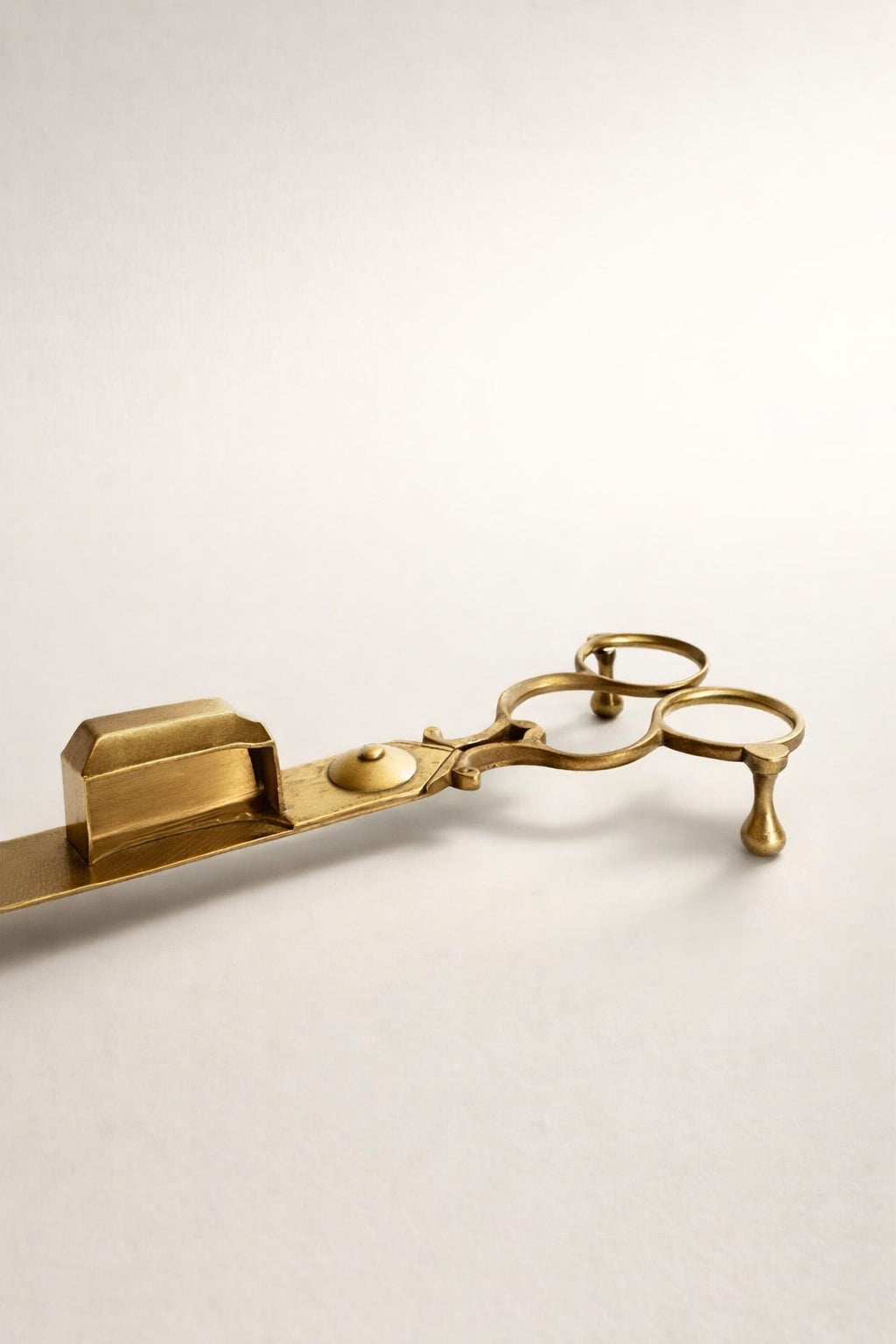
Vintage Decor Care Guide
Vintage pieces have already survived decades — sometimes a century — of real life. Your job isn't to make them look new. It's to keep them looking like themselves.
Every piece in the shop passes through our hands before it reaches yours, and this is the same care guidance we follow. The golden rule throughout: when in doubt, do less, gently.
A Note Before You Begin
Vintage and antique pieces are irreplaceable. The guidance below is conservative by design — when in doubt, less intervention is always preferable. For pieces of significant monetary or sentimental value, we recommend consulting a professional conservator before attempting any cleaning or restoration.
Antique Porcelain & Ceramics
French porcelain dishes, hand-painted eggs, stoneware jugs, decorative bowls
General care
• Dust regularly with a soft, dry brush or clean microfiber cloth.
• For light soiling, use lukewarm water with a small amount of mild, non-ionic detergent. Never use hot water, which can stress old ceramics.
• Rinse gently and dry immediately with a soft, lint-free cloth.
• Avoid soaking, which can loosen old repairs or penetrate unglazed areas.
Gilding & enamel decoration
Gilded surfaces — gold banding, hand-painted gilt — are extremely fragile. Don't rub or scrub. Dab gently with a lightly dampened cotton swab; never drag across the surface. Abrasive cleaners, bleach, and even some household soaps can permanently strip gilding. If gilding looks worn or unstable, consult a ceramics conservator before cleaning.
Old repairs
Antique pieces repaired with shellac, plaster, or early adhesives need extra caution: water and solvents can dissolve old adhesives and re-open breaks. If you suspect a repair, stick to dry dusting and get a professional assessment first.
When to seek professional help
Significant staining, cracks, chips, or flaking glaze should be assessed by a professional ceramics conservator. Home remedies risk permanent damage.
Vintage Glass
Victorian vanity jars, carnival glass bowls, pressed and art glass
General care
• Hand-wash only — never put vintage glass in the dishwasher. Heat, detergents, and vibration cause clouding, etching, and cracking.
• Use lukewarm water with a few drops of mild dish soap. Rinse thoroughly.
• Dry with a soft, lint-free cloth immediately after washing to prevent water spotting.
• Handle with clean, dry hands or cotton gloves to avoid transferring oils.
• Hold stemware by the bowl, not the stem — the stem is always the weakest point.
Clouding & mineral deposits
Persistent cloudiness can come from old dishwasher damage or mineral deposits. A very dilute white vinegar and water solution (about 1:10), applied briefly with a soft cloth, may help with mineral deposits — but never on gilded, painted, or decorated glass. Cloudiness from glass deterioration ("sick glass") is irreversible: don't try to polish it out, which only accelerates the damage.
When to seek professional help
Cracks, chips, or significant iridescence on art glass should be reviewed by a glass conservator before any cleaning.
Aged Metals: Brass, Bronze, Silver & Iron
Candelabra, planters, desk accessories, convertible candlesticks
Preserving patina
Many conservators prefer to preserve the natural patina of aged metals — the warm darkening of brass, the verdigris of bronze, the soft grey of aged silver — as evidence of age and authenticity. We strongly caution against aggressive polishing, which can permanently remove patina and reduce a piece's character and value.
Light cleaning
• Brass & bronze: For light dust, a dry or barely damp cloth is enough. If more is needed, use a conservation-grade metal cleaner sparingly, testing on an inconspicuous area first.
• Silver: Use a silver polishing cloth for light tarnish. Avoid silver dips — they're harsh and can damage patina and gilding.
• Painted or lacquered metal: Don't polish. Wipe with a barely damp cloth only.
• Iron & cast iron: Keep dry. A very thin coat of paste wax (such as Renaissance Wax) protects against rust.
Gilded metal
Ormolu and gilt-metal pieces are especially sensitive. Never use metal polish or abrasives — dust only with a soft brush, and consult a metals conservator for anything beyond that.
When to seek professional help
Active corrosion, bronze disease (bright green powdery spots), or unstable silver should be assessed by a metals conservator. Don't attempt to treat these at home.
Wood Furniture & Objects
Hand-carved bookends, turned bowls, refinished furniture
General care
• Dust regularly with a clean, dry cloth, wiping with the grain.
• Keep wood away from direct sunlight, heating vents, and air conditioning — all cause drying, warping, and finish deterioration.
• Maintain stable indoor humidity (ideally 45–55%) to prevent wood movement and cracking.
Cleaning & conditioning
• Avoid all-purpose household sprays, silicone-based polishes, and waxes not formulated for antiques.
• A light application of paste wax (Renaissance Wax or a museum-quality beeswax polish) suits most finished wood surfaces.
• For shellac or lacquer finishes (common on pre-1950s pieces), avoid water and alcohol-based products entirely.
Old repairs
If a piece shows mismatched grain, filled areas, or variation in finish sheen, it may have been repaired — stick to dry dusting until the repair history is known.
When to seek professional help
Structural issues, active woodworm (fresh bore holes or frass), or significantly deteriorated finishes warrant professional furniture conservation before any home care.
Framed Vintage Art & Prints
Botanical prints, oil paintings, framed game-bird art
If you're reframing
Archival materials are essential: acid-free, lignin-free matboard and backing; conservation or museum (UV-filtering) glass; no dry-mounting — use archival paper hinges or mounting corners only. Keep artwork from touching the glass directly, and seal the back of the frame with archival tape or Kraft paper to exclude dust and insects.
Cleaning framed pieces
• Dust gilded frames with a fine soft-bristled brush only — cloths can snag and remove gilding.
• Never spray cleaner directly onto glass near artwork. Spray onto a cloth first.
• Never attempt to clean the surface of a print, drawing, or photograph yourself. That requires professional treatment.
Display & storage
Hang artwork away from direct sunlight, exterior walls, and high-humidity areas. If storing, wrap in acid-free tissue and store flat or upright — never at an angle under weight.
When to seek professional help
Foxing, mold, tears, water damage, fading, or flaking paint should always go to a paper or paintings conservator. Don't attempt to repair damaged works on paper at home.
Finding a Professional Conservator
For pieces that need more than this guide covers, search for conservators accredited by the American Institute for Conservation (AIC). Accredited conservators follow professional ethical standards and use reversible, evidence-based treatment methods.
This guide is provided for general informational purposes. The Marian Collection does not guarantee specific outcomes from any care method described above, and recommends professional consultation for any piece of significant value or fragility.
Browse this week's finds — every piece is inspected, photographed honestly, and chosen to earn its place in your home. [Shop the collection →]